The Real Truth: Tribit Stormbox Lava or Rode Podmic?
Short verdict: If the primary need is portable, loud, and convenient playback for parties, outdoor use, or mobile content monitoring, the Tribit Stormbox Lava is the more appropriate choice. If the priority is broadcast-quality spoken-word capture for podcasting, streaming, or professional voice work, the Rode PodMic is the clear recommendation. They serve fundamentally different purposes — one is a Bluetooth speaker, the other a broadcast dynamic microphone — so the right pick depends entirely on whether playback or capture is the core requirement.
Introduction
Comparisons between devices from different product categories can feel odd at first glance, but content creators, streamers, and audio enthusiasts often face a practical question: should one invest in better playback capability or higher-quality capture? The Tribit Stormbox Lava and the Rode PodMic represent two common paths. The Tribit aims to deliver portable, energetic playback with ease of use; the PodMic targets spoken-word clarity and rugged, studio-ready capture. This article examines both products in real-world terms, evaluates strengths and weaknesses, lays out practical buying guidance, and helps readers decide which device better fits their needs.
Detailed product analysis
Tribit Stormbox Lava — portable playback for listeners and creators
The Tribit Stormbox Lava is positioned as a portable Bluetooth speaker focused on delivering big sound from a compact package. In real-world use cases it appeals to people who need robust audio playback on the go — for example, mobile videographers who need reliable monitoring outside, content creators who preview mixes informally, or casual listeners who value bass and volume for outdoor gatherings.
Key real-world strengths include straightforward wireless connectivity, long battery life, and an emphasis on bass impact. For backyard parties or a video shoot where quick reference playback is needed without carrying a full monitor set, a Tribit-style speaker makes a lot of sense: it pairs with phones, tablets, and laptops effortlessly and doesn’t require audio interfaces or extra setup.
That convenience comes with trade-offs. Portable Bluetooth speakers are tuned for pleasant listening rather than analytical monitoring; they often exaggerate low end and shape the midrange for perceived warmth. They also introduce latency when used over Bluetooth, which limits their usefulness for real-time monitoring during live recording. For creators who need accurate reference playback — mixing, mastering, or critical voice monitoring — the speaker will not replace studio monitors or headphones. However, its utility as a convenient, durable, and portable playback device is undeniable.
Rode PodMic — capture-first design for spoken-word creators
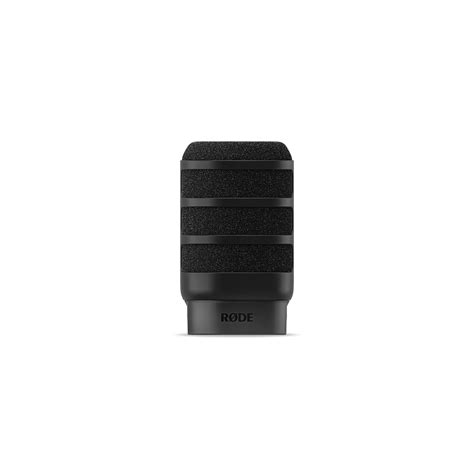
The Rode PodMic is a dynamic broadcast microphone built with podcasters and streamers in mind. In daily use it appeals to anyone focused on recorded or live spoken-word performance: podcasters, streamers, voice-over artists, and broadcasters. Its design emphasizes clarity of speech, controlled low end to avoid boomy proximity effect if used properly, and a cardioid pattern that rejects off-axis noise in noisy environments.
Practically speaking, the PodMic is an XLR microphone that requires a mixer, audio interface, or broadcast-style USB preamp to function in a computer workflow. This need for supporting hardware is a crucial consideration for buyers who expect plug-and-play simplicity; the PodMic is not a USB microphone and is not designed for instant laptop-only operation without additional gear.
Shop the latest Audio & Headphones picks on Amazon.
Browse Now →In a real-world podcast setup, the PodMic provides a warm, focused tonal character that helps voices sit well in a mix without excessive EQ. It is heavy and durable, with an internal pop-filter system that reduces plosive problems at typical recording distances. For many small studios and home pods, the PodMic delivers broadcast quality at a price point that emphasizes value over exotic features. It does, however, require attention to preamp gain and cabling, and it benefits from proper mic technique and a modestly treated recording space for best results.
Pros & Cons
Tribit Stormbox Lava — Pros & Cons
- Pros:
- Portable and easy to pair via Bluetooth for immediate playback.
- Designed to deliver punchy bass and high volume for outdoor or social use.
- Generally long battery life and simple onboard controls.
- Durable build and weather resistance suitable for casual outdoor use.
- Good value for users seeking convenient, enjoyable playback.
- Cons:
- Not intended as an accurate studio monitor; frequency response is consumer-oriented.
- Bluetooth introduces latency, making it a poor choice for low-latency monitoring during live recording.
- Limited connectivity compared to wired monitors (no XLR/TRS balanced inputs for direct monitoring).
- Can mask subtle audio issues due to emphasis on bass and perceived loudness.
Rode PodMic — Pros & Cons
- Pros:
- Designed specifically for spoken-word capture with a voice-forward tonal balance.
- Cardioid pickup offers good off-axis noise rejection for less-than-ideal rooms.
- Rugged, pro-style construction built for studio and on-air use.
- Integrates well into podcasting workflows with standard broadcast equipment.
- Built-in pop filter reduces the need for external filtering in many cases.
- Cons:
- XLR-only connection requires an audio interface, mixer, or preamp — increasing total system cost and complexity.
- Lower output level than condenser microphones; some preamps may need higher gain to drive levels cleanly.
- Not designed for musical capture where high fidelity and extended frequency response are priorities.
- Less portable as a stand-alone item compared with compact USB mics or Bluetooth speakers.
Side-by-side comparison
| Feature | Tribit Stormbox Lava | Rode PodMic |
|---|---|---|
| Primary purpose | Portable playback (Bluetooth speaker) | Spoken-word capture (broadcast dynamic microphone) |
| Best for | Outdoor listening, quick playback reference, mobile monitoring | Podcasting, streaming, voice recording in home/studio environments |
| Connectivity | Bluetooth (wireless); may include auxiliary/USB charging | XLR (balanced analog) — requires audio interface or mixer |
| Portability | High — battery-powered and rugged | Low — studio-focused, needs additional gear to operate |
| Power source | Internal battery (rechargeable) | Powered by mic preamp (no battery) — passive dynamic |
| Latency | Bluetooth latency present — not ideal for live monitoring | Low — suitable for live recording/streaming when routed properly |
| Typical workflow | Pair with phone/laptop and play audio files or streams | Connect to interface/mixer, set gain, record/route to streaming software |
| Durability | Designed for outdoor use; water/resistance likely | Robust metal body for studio use |
| Monitoring suitability | Good for casual monitoring; not for critical mixing | Excellent for monitoring captured voice if paired with quality headphones/monitors |
Which one should a buyer choose?
Answering this depends on the buyer’s primary use case:
- If the buyer needs to capture voice for podcasts, interviews, or streams: the Rode PodMic is tailored for this job. Its sonic tuning, polar pattern, and build make it a practical, reliable choice when combined with a decent interface or mixer. For podcasters who want consistent, broadcast-style results, the PodMic is a sensible core investment.
- If the buyer needs a portable speaker for playback, social use, or quick audio checks: the Tribit Stormbox Lava is the better option. It gives enjoyable sound and portability without the need to manage cables or preamps.
- If the buyer is a one-person creator with limited budget and must prioritize: decide whether capture or playback will materially improve output quality. For a podcast, better capture (microphone) will generally have a larger positive impact on perceived production quality than speaker upgrades. For video creators aiming to play reference audio on location or entertain guests, the speaker adds more practical value.
- For hybrid workflows (recording in the studio but needing portable playback): consider acquiring both over time. The microphone improves captured content; the speaker improves how others hear it in non-studio situations.
Buying guide — what to consider before choosing
1. Define the primary objective
Buyers should start by clarifying whether they want to capture audio or play it back. Capture equipment (microphones, preamps) directly affects the clarity and character of recorded audio, while playback devices affect how audio is evaluated or enjoyed after capture. Improving capture quality often yields a greater return for creators producing spoken-word content.
2. Consider workflow and required accessories
- For the Rode PodMic: budget for an audio interface or mixer with decent preamps and XLR inputs, quality XLR cables, and a boom arm or shockmount for comfortable positioning. Also plan for headphones for monitoring and a recording environment with basic acoustic treatment.
- For the Tribit Stormbox Lava: verify Bluetooth compatibility with devices, check charging options (USB-C is preferred), and consider whether wired inputs are required for desktop use. Batteries and durability are important for outdoor users.
3. Room and environmental factors
Microphones are sensitive to room acoustics. A PodMic in an untreated, echoey room will still be workable thanks to its rejection, but results improve dramatically with even modest acoustic treatment (absorptive panels, placement adjustments, and mic technique). Speakers like the Tribit are affected by placement and the reflective characteristics of the environment — bass might increase dramatically near walls or outdoors.
4. Portability vs permanence
If the setup needs to be moved frequently, factor in connectors, carrying cases, and setup/breakdown time. A portable speaker wins where mobility is vital. A fixed podcasting setup with a PodMic benefits from semi-permanent mounts and stable cabling for consistent audio capture.
5. Budget allocation and value
Consider the complete system cost rather than the sticker price of the single device. A low-cost microphone paired with a low-quality interface may underperform compared to a higher-priced microphone with a robust interface. Likewise, a speaker’s price should be weighed against its battery life, loudness, and build quality.
Shop the latest Audio & Headphones picks on Amazon.
See Deals →6. Long-term goals and scalability
Buyers who plan to scale into multi-person interviews, remote recording, or streaming should lean toward modular, upgradeable systems. A PodMic integrates into pro workflows and scales with better interfaces or mixers; a portable speaker is less scalable for capture but can remain useful for review and playback tasks.

7. Testing and auditioning
Whenever possible, audition gear in realistic conditions. For microphones, test with the user’s voice and typical recording distance. For speakers, play back content the user commonly listens to and evaluate how it sounds in the intended environments.
Practical buying checklist
- What is the primary task: capture (microphone) or playback (speaker)?
- Does the buyer already have an audio interface or mixer for an XLR microphone?
- Is portability essential, or will the device live in one place?
- What is the typical recording/listening environment (noisy, reflective, outdoors)?
- Does the user prefer plug-and-play simplicity, or is a more modular, professional setup acceptable?
Conclusion
The Tribit Stormbox Lava and the Rode PodMic are designed for different roles in an audio ecosystem. The Tribit excels at delivering convenient, impactful playback for social use, location monitoring, and mobile content checks. The Rode PodMic excels at capturing spoken word with a voice-forward character, built-in practical features, and a studio-oriented design that integrates into professional workflows.
Buyers should prioritize their dominant need: choose the Tribit for portable playback and convenience, and choose the PodMic for reliable, broadcast-ready voice capture. For creators whose work depends on both accurate capture and flexible playback, planning for both devices — or prioritizing the microphone first for production quality — is a prudent path.