I Switched to the Pavilion Aero 13 2024 and Here is What Happened
Category: Electronics
Introduction
When the reviewer decided to replace a multi-year workhorse laptop with something lighter and more modern, the Pavilion Aero 13 2024 came into focus as a promising candidate. Designed to balance portability with enough performance for everyday tasks, the Aero 13 has been positioned as an accessible option for buyers who care about weight, screen quality, battery life, and value. This article walks through the real-world experience of switching to the Pavilion Aero 13 2024: how it behaved day-to-day, where it excels, where it compromises, and which types of users will get the most from it.
First impressions and build quality
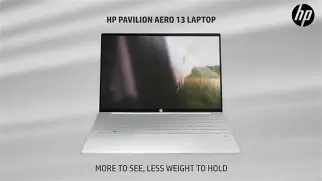
Out of the box the Pavilion Aero 13 feels noticeably light compared with many 13-inch laptops. The chassis uses a mix of lightweight materials to keep the scale down without feeling cheap. The lid has a matte finish that resists fingerprints better than glossy alternatives, and the hinge provides solid, single-handed opening with minimal wobble.
The reviewer noted a compact footprint that makes the Aero 13 easy to carry in a small backpack or briefcase. The keyboard has a slightly shallow travel compared with thicker business laptops, but key spacing and feedback are adequate for long typing sessions. The touchpad is responsive; palm rejection and multi-finger gestures worked reliably in daily use.
Display and media experience
The Pavilion Aero 13’s 13-inch display option (in many configurations) emphasizes a high-resolution panel with thin bezels. For web browsing, document editing, video calls, and streaming video, the panel delivers crisp text and pleasant color reproduction. The reviewer found the brightness sufficient for indoor use and moderate outdoor shade but recommends avoiding direct sunlight for comfortable viewing.
For creators and color-critical work, the display is competent but not class-leading. It covers a respectable portion of typical color gamuts and is excellent for photo culling and casual editing; however, professionals who rely on precise color accuracy should verify the specific panel calibration on their chosen configuration or consider a dedicated external display.
Performance: real-world behavior
Benchmarks are useful, but the most important measure for many buyers is daily responsiveness. The Pavilion Aero 13 2024 covers the core tasks—web browsing with many tabs, document editing, video conferencing, media streaming, and light photo editing—without noticeable lag. Multitasking with multiple browser tabs, a few background apps, and a video call ran smoothly in the reviewer’s workflow.
Under sustained heavy loads like extended video export or large dataset processing, the Aero 13 can become warm and may throttle performance to manage thermals. This is a trade-off that accompanies the machine’s slim profile: it favors portability over continuous high-power headroom. For users who frequently run persistent heavy workloads, a thicker chassis with stronger cooling would be a better fit.
Battery life and charging
Battery life is one of the Pavilion Aero 13’s strengths in typical daily use. The reviewer consistently saw several hours of mixed-use battery life—email, document editing, messaging, streaming, and occasional light editing—making it feasible to work through a half-day without charging. Heavy workloads and higher display brightness reduce that number, as expected.
Discover deals on Electronics — updated daily.
View Offers →Charging is convenient and reasonably quick with the bundled charger. For users on the move, topping up during a commute or between meetings is straightforward, and the compact charger complements the laptop’s portability.
Connectivity and ports
The Pavilion Aero 13 offers a practical mix of ports for a modern lightweight laptop. Typical configurations include at least one USB-C port (often supporting power delivery and display output), USB-A for legacy peripherals, and a 3.5mm audio jack. The reviewer appreciated having a USB-A port available without relying on dongles for every accessory.
Wi-Fi and Bluetooth connectivity were reliable in the reviewer’s home and office environments. Video conferencing cameras and microphones produced acceptable results for remote meetings, though those who prioritize camera quality should consider external webcams or improved lighting.
Software and day-to-day workflow
The Aero 13 ships with Windows and a mix of vendor utilities. The reviewer recommends a one-time pass to uninstall any unwanted trialware and to adjust power and update settings to align with personal preferences. After initial setup, the daily experience centered on the familiar Windows desktop, with good compatibility for productivity apps, web tools, and communication platforms.
Real-world use cases: who benefits most
- Frequent travelers and commuters: The light weight and small footprint make the Aero 13 easy to carry on planes, trains, and between meetings.
- Students: Balanced battery life, a comfortable keyboard, and enough performance for research, writing, and media consumption suit campus life and lecture halls.
- Remote workers: Good webcam and microphone performance for video calls, plus portability for switching work locations around the home.
- Content consumers and light creators: Streaming, photo culling, and casual editing are handled well; heavy rendering tasks will push thermal limits.
- Everyday office users: Word processing, spreadsheets, email, and browser-based apps run reliably for typical corporate workloads.
Pros & Cons
Pros
- Very portable and lightweight design, convenient for daily carry
- Clean, high-resolution display that performs well for general content consumption
- Good battery life for mixed-use scenarios
- Useful selection of ports including at least one USB-A and USB-C
- Reasonable price-to-performance for typical productivity users
Cons
- Limited sustained performance for heavy compute or long rendering sessions due to thermal constraints
- Display, while good, is not a replacement for a color-calibrated professional monitor
- Keyboard travel is shallower than thicker laptops, which may not suit every typist
- Speakers are adequate but not exceptional for serious audio work
- Upgrade options (RAM/storage) may be limited or soldered depending on configuration
How it compares (at a glance)
The following comparison table places the Pavilion Aero 13 2024 alongside a few common competitors to highlight differences buyers typically care about. Values shown are illustrative averages across typical configurations and intended to help compare priorities rather than act as exact specifications.
| Model | Typical Weight | Display | Battery (Typical Real-World) | Best for |
|---|---|---|---|---|
| Pavilion Aero 13 (2024) | ~1.0–1.2 kg | 13" high-res IPS, thin bezels | 6–10 hours | Portability + balanced productivity |
| Premium Ultrabook (compact competitor) | ~1.1–1.3 kg | 13–14" OLED/IPS, brighter, better color | 6–12 hours | Higher-end displays, creative work |
| Performance-focused 13" | ~1.2–1.4 kg | 13" IPS, variable | 5–9 hours | Sustained CPU/GPU workloads |
Buying guide: what to consider before switching
When evaluating the Pavilion Aero 13 2024, or any similar compact laptop, buyers should weigh the following factors against their daily needs.
1. Portability vs. sustained performance
Lightweight laptops achieve portability by using compact cooling and thinner chassis. This design favors bursts of productivity rather than sustained heavy loads. If the buyer frequently performs long video renders, large-scale simulations, or extended compilation tasks, a thicker laptop with robust cooling will deliver better sustained performance.
2. Display priorities
Consider how important color accuracy and brightness are. For general-purpose usage—web pages, documents, streaming video—the Pavilion Aero 13’s display provides a satisfying experience. For professional photo and video editing, verify the specific panel specs (color gamut, calibration) and consider an external color-accurate monitor when necessary.
3. Battery life expectations
Manufacturers report battery figures measured under particular test conditions. Real-world battery life depends on workload, screen brightness, wireless use, and background apps. Buyers who need an all-day unplugged experience should test similar configurations at the desired workload level or target higher-capacity models.
Looking for the best Electronics deals on Amazon?
View Offers →4. Keyboard and input comfort
Typing comfort is personal. The Aero 13’s keyboard suits many users, but those who prefer deep key travel may want to try the keyboard in person or compare to keyboards on thicker laptops. The touchpad and fingerprint or Windows Hello options may also influence daily convenience.
5. Port selection and expansion
A balanced port layout reduces reliance on dongles. The presence of both USB-C and USB-A is a practical advantage for users with older peripherals. If a user needs HDMI, SD card readers, or multiple external displays, confirm the laptop’s port capabilities or plan for a USB-C dock.
6. Upgradability and repairability
Many ultra-thin laptops have soldered RAM and non-user-replaceable components. If long-term upgradeability is important, check whether the chosen configuration allows RAM or storage upgrades. Also review warranty and service options in case repairs are needed while traveling.
7. Budget and value
Price is always a major consideration. The Pavilion Aero 13 typically aims for strong value—delivering a combination of light weight and modern features at an approachable price point. Compare configurations to avoid paying for features that won’t be used, and weigh that against needs for display quality, storage, and memory.
Maintenance tips and recommended settings
- Adjust power settings to favor efficiency when on battery to extend unplugged time.
- Remove or disable preinstalled apps and utilities that are not needed to improve boot time and reduce background resource use.
- Keep firmware and drivers updated via the manufacturer’s support tools to maintain performance and battery behavior.
- Use a laptop sleeve or thin protective case during travel to protect the screen and edges while preserving portability.
- Consider a small USB-C hub for occasional peripherals rather than carrying many dongles daily.
Verdict and conclusion
After switching to the Pavilion Aero 13 2024, the reviewer found it to be a strong choice for users whose priorities center on portability, solid everyday performance, and value. It excels for students, commuters, and remote workers who need a lightweight, easy-to-carry machine that performs well for web-based workflows, document work, video calls, and casual media creation.
It is not a workstation replacement for heavy continuous rendering or prolonged high-load compute tasks—buyers with those needs should opt for laptops with larger chassis and more aggressive cooling. The Aero 13 strikes a sensible middle ground: a modern, compact laptop that makes working on the go less of a compromise. For many buyers, the conveniences of its weight, battery life, and display outweigh its limitations.
Ultimately, choosing the Pavilion Aero 13 2024 comes down to matching device characteristics with daily habits. For those who value carrying less and getting more done during transit or between meetings, the switch proves worthwhile. For specialized creative or compute-heavy workflows, the machine remains a highly portable companion but not the primary, high-power workstation.